

Storm Roof Leak Solutions: Fixing a Roof Leaking After a Storm

Storms can hit hard and fast, leaving behind damage that is often not visible right away. One of the most common and urgent problems after a storm is a leaking roof. When water starts to seep through your roof, it can cause serious damage to your home’s structure and interior. I want to share practical steps and advice to help you address a roof leaking after a storm quickly and effectively.
Understanding Storm Roof Leak Solutions
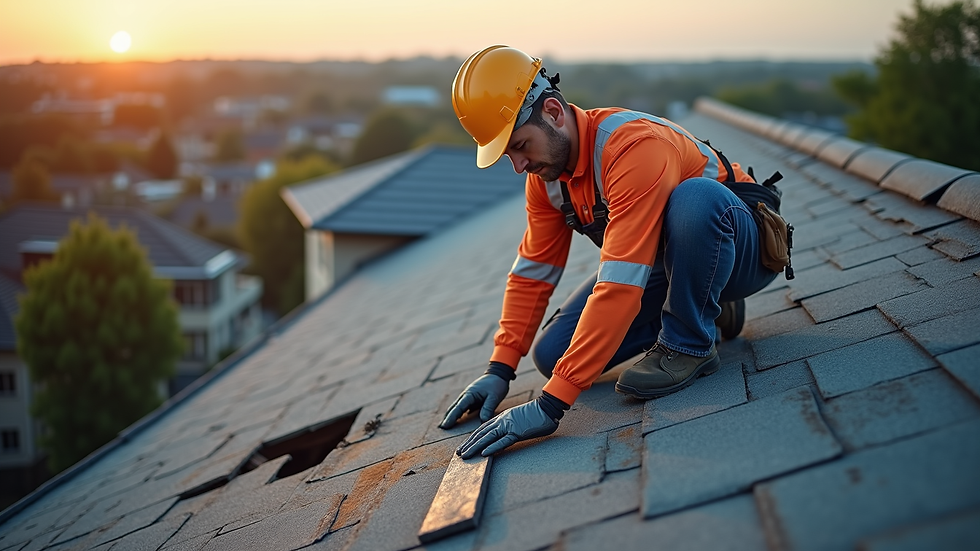
After a storm, the first thing to do is assess the damage safely. Look for missing shingles, damaged flashing, or debris that might have punctured the roof. These are common causes of leaks. Sometimes, the damage is subtle, like small cracks or lifted shingles that let water in during heavy rain.
Here’s what I recommend:
Inspect the attic: Check for water stains, damp insulation, or mold. This can help you find leaks that are not visible from the outside.
Look for exterior damage: Walk around your home and check the roof, gutters, and downspouts. Missing or broken shingles and clogged gutters can cause water to back up and leak inside.
Document everything: Take photos and notes of all damage. This will be useful for insurance claims and repair estimates.
If you are not comfortable climbing on your roof, consider hiring a professional to do the inspection. Safety is the priority.

Quick Temporary Fixes to Stop the Leak
While waiting for a professional repair, you can take some temporary steps to minimize water damage inside your home:
Use a tarp: Cover the damaged area with a heavy-duty tarp. Secure it with nails or weights to keep it in place during wind or rain.
Seal small cracks: Apply roofing cement or waterproof tape to small holes or cracks. This is a short-term fix but can reduce water entry.
Catch dripping water: Place buckets or containers under leaks inside your home to prevent water from damaging floors or furniture.
Move valuables: Relocate furniture, electronics, and important items away from the leak area.
These quick fixes can help protect your home until a full repair is possible.
Will Homeowners Insurance Pay for a Leaky Roof?
One of the first questions I get asked is whether homeowners insurance covers roof leaks caused by storms. The answer depends on your policy and the cause of the leak.
Most standard homeowners insurance policies cover sudden and accidental damage from storms, such as wind, hail, or fallen trees. However, they usually do not cover damage caused by neglect or lack of maintenance. For example, if your roof was already old and leaking before the storm, the insurance company might deny the claim.
Here are some tips to navigate insurance claims:
Review your policy: Understand what types of storm damage are covered.
Document damage thoroughly: Photos, videos, and repair estimates help support your claim.
File promptly: Contact your insurance company as soon as possible after the storm.
Work with professionals: A trusted roofing contractor can provide detailed damage reports and help you communicate with your insurer.
If you need roof leaking after storm help, it’s important to choose a company experienced in storm damage and insurance claims.
How to Choose the Right Repair Approach
Once you know the extent of the damage and your insurance coverage, it’s time to decide on repairs. Here are common options:
Shingle replacement: For minor damage, replacing missing or broken shingles may be enough.
Flashing repair: Damaged flashing around chimneys, vents, or skylights can cause leaks and should be fixed.
Roof patching: Small holes or cracks can be patched with roofing cement or sealant.
Full roof replacement: If the damage is extensive or the roof is old, a full replacement might be necessary.
When selecting a repair method, consider:
The age and condition of your roof
The severity of the damage
Your budget and insurance coverage
The reputation and experience of the roofing contractor
Always get multiple quotes and ask for references before hiring a contractor.
Preventing Future Storm Roof Leaks
After fixing your roof, it’s smart to take steps to prevent future leaks. Here are some practical tips:
Regular inspections: Check your roof at least twice a year and after major storms.
Clean gutters: Keep gutters and downspouts clear to prevent water backup.
Trim trees: Remove branches that could fall and damage your roof.
Upgrade materials: Consider impact-resistant shingles or additional waterproof underlayment.
Maintain flashing: Ensure flashing around roof penetrations is secure and intact.
Taking these steps can extend the life of your roof and protect your home from storm damage.
Taking Action After a Storm
Dealing with a leaking roof after a storm can feel overwhelming. But by acting quickly and following these steps, you can protect your home and reduce repair costs. Remember to prioritize safety, document damage, and seek professional help when needed.
If you want reliable roof leaking after storm help, look for a local company that understands the challenges of storm damage in the Kansas City metro area. A trusted roofing contractor can guide you through repairs and insurance claims with confidence.
Your home is your sanctuary. Taking care of your roof after a storm is one of the best ways to keep it safe and secure for years to come.


Comments