

Effective Leaking Roof Solutions: Steps to Take for a Leaking Roof Post-Storm

Storms can leave a trail of damage, and one of the most urgent problems homeowners face afterward is a leaking roof. Water intrusion can cause serious damage to your home’s structure and interior if not addressed quickly. I want to guide you through practical steps to take immediately after a storm to manage a leaking roof. These steps will help you protect your home and prepare for professional repairs.
Identifying the Leak and Initial Safety Measures
The first thing I do after a storm is carefully inspect the roof and attic for signs of leaks. Look for water stains, damp spots, or dripping water inside your home. If the leak is active, place buckets or containers to catch the water and prevent further damage to floors and furniture.
Safety is key. Avoid climbing on a wet or damaged roof yourself. Instead, use binoculars or a ladder to get a closer look from a safe distance. If you see loose shingles, broken tiles, or missing flashing, take note of these areas.
Here are some quick safety tips:
Turn off electricity in affected areas to avoid electrical hazards.
Avoid walking on the roof if it looks unstable.
Keep children and pets away from the leak area.
Taking these precautions helps prevent injury and further damage while you plan your next steps.

Leaking Roof Solutions: Temporary Fixes to Minimize Damage
Once you have identified the leak, the next step is to apply temporary fixes to reduce water intrusion until professional help arrives. These solutions are not permanent but can save your home from worsening damage.
Here are some effective temporary measures:
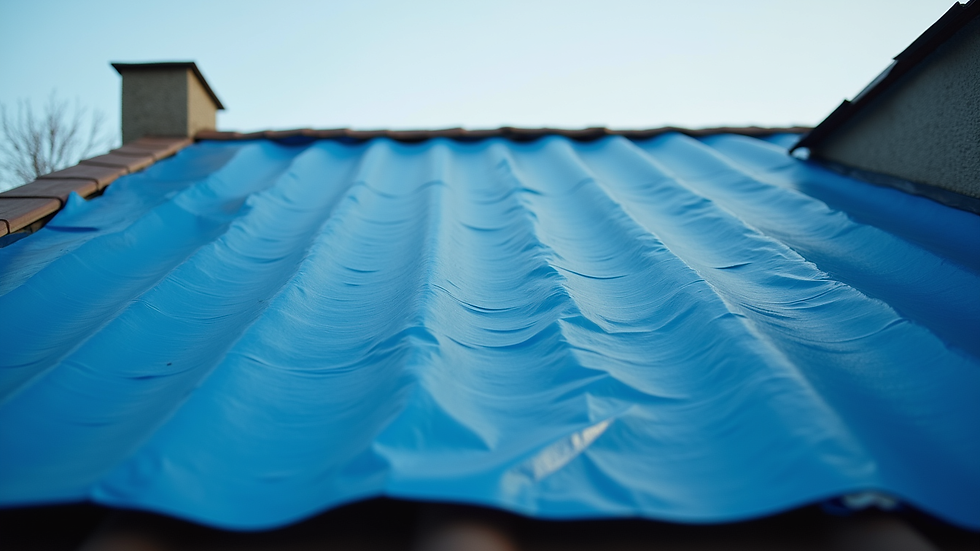
Use a tarp or plastic sheeting: Secure a heavy-duty tarp over the damaged area on the roof. Use roofing nails or weights to hold it in place. This will keep rainwater out until repairs can be made.
Seal small cracks or holes: Apply roofing cement or waterproof sealant to minor cracks or holes. This can slow down leaks temporarily.
Protect interior surfaces: Move furniture and valuables away from the leak. Use towels or plastic sheets to cover floors and belongings.
Control indoor moisture: Use fans or dehumidifiers in the affected rooms to dry out damp areas and prevent mold growth.
These steps are practical and straightforward. They help you manage the situation without waiting for professional repair, especially when storms cause widespread damage and repair services may be delayed.
Will Homeowners Insurance Pay for a Leaky Roof?
Understanding your insurance coverage is crucial after storm damage. Many homeowners wonder if their policy will cover repairs for a leaking roof. The answer depends on your specific insurance plan and the cause of the leak.
Typically, standard homeowners insurance covers roof damage caused by sudden events like storms, hail, or wind. However, damage due to neglect or lack of maintenance is usually not covered.
Here are some tips to navigate insurance claims:
Document the damage: Take clear photos and videos of the roof and interior damage. This evidence supports your claim.
Contact your insurance company promptly: Report the damage as soon as possible and ask about the claim process.
Keep receipts: Save all receipts for temporary repairs or emergency services.
Get professional inspections: A licensed roofing contractor can provide an estimate and report that insurance adjusters may require.
Being proactive and organized will help you get the coverage you need to repair your roof and protect your home.
When to Call a Professional Roofing Contractor
While temporary fixes are helpful, they are not a substitute for professional repairs. A licensed roofing contractor has the tools and expertise to assess the full extent of the damage and perform safe, lasting repairs.
You should call a professional if:
The leak is large or multiple leaks are present.
You notice structural damage like sagging or rotting wood.
Temporary fixes are not holding up during continued rain.
You want help with insurance claims and repair estimates.
A trusted local contractor can also inspect your entire roof for hidden damage that may cause problems later. This is especially important after severe storms.
If you need roof leaking after storm help, reach out to a reputable company that understands the challenges Kansas City metro homeowners face. They can guide you through repairs and insurance processes with care and professionalism.
Preventing Future Roof Leaks: Maintenance Tips
After your roof is repaired, it’s important to take steps to prevent future leaks. Regular maintenance can extend the life of your roof and protect your home from storm damage.
Here are some maintenance tips:
Inspect your roof twice a year: Look for damaged or missing shingles, clogged gutters, and signs of wear.
Clean gutters and downspouts: Remove debris to ensure proper water drainage.
Trim overhanging tree branches: Prevent branches from damaging shingles during storms.
Check attic ventilation: Proper airflow reduces moisture buildup that can damage roofing materials.
Schedule professional inspections: Have a roofing expert check your roof every few years.
By staying proactive, you can avoid costly repairs and keep your home safe through every season.
Taking Control After a Storm
Dealing with a leaking roof after a storm can feel overwhelming. But by following these clear, practical steps, you can protect your home and reduce stress. Start by identifying the leak and taking safety precautions. Apply temporary fixes to minimize water damage. Understand your insurance coverage and document everything carefully. Call a professional roofing contractor for thorough repairs and expert advice. Finally, commit to regular maintenance to prevent future leaks.
Remember, help is available, and you don’t have to face this challenge alone. Taking action quickly and wisely will safeguard your home and give you peace of mind.


Comments